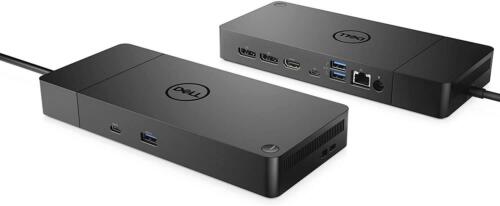
In today’s fast-paced digital world, the need for a streamlined and efficient workspace has never been more pressing. For professionals and students alike, managing multiple devices and peripherals can be a daunting task. This is where docking stations come into play, offering a seamless bridge between your laptop and various accessories. Among the top contenders in the market, Dell docking stations stand out for their versatility and reliability. This article delves into the features and benefits of Dell docking stations for laptops, helping you make an informed decision to enhance your setup.
Why Choose a Docking Station?
A docking station is an essential accessory for those who often find themselves juggling various devices. The benefits of using a docking station include:
- Expanded connectivity options, allowing you to connect multiple peripherals such as keyboards, mice, and printers.
- Enhanced productivity by transforming your laptop into a desktop-like setup with additional monitors and external storage devices.
- Improved cable management, reducing clutter and maintaining an organized workspace.
Features of Dell Docking Stations
Dell docking stations are renowned for their robust features, catering to a wide range of user needs. Here are some key features:
Universal Compatibility
Dell docking stations are designed to work seamlessly with a variety of laptop models, not limited to Dell alone. This universal compatibility ensures that users can effortlessly connect their devices, making it a versatile choice for mixed-device environments.
Multiple Connectivity Ports
These docking stations offer an array of connectivity options, including:
- USB-C and USB-A ports for connecting modern and legacy devices.
- HDMI and DisplayPort outputs for multi-monitor setups.
- Ethernet ports for stable and fast network connections.
- Audio jacks for comprehensive multimedia experiences.
Power Delivery
One standout feature of Dell docking stations is their ability to deliver power to connected laptops. This ensures that your laptop is charged while connected, eliminating the need for an additional power adapter and keeping your workspace tidy.
Choosing the Right Dell Docking Station
Selecting the right docking station depends on your specific needs and laptop model. Consider the following factors:
- Device Compatibility: Ensure that the docking station is compatible with your laptop model and operating system.
- Port Requirements: Determine the types and number of ports you require based on your peripherals.
- Power Delivery Needs: Consider how much power your laptop requires and if the docking station can efficiently supply it.
For more information on choosing the right docking station, explore available options from reputable sources, such as the variety of Dell docking stations for laptops.
Conclusion
Upgrading your workspace with a Dell docking station offers a host of benefits, from increased productivity to enhanced connectivity. Whether you’re a professional seeking to streamline your workflow or a student looking to manage multiple devices efficiently, investing in a docking station can significantly enhance your laptop’s capabilities. By choosing the right model and features, you can ensure that your setup is not only efficient but also future-proof. Explore the wide range of options available and transform your laptop into a powerhouse of productivity.