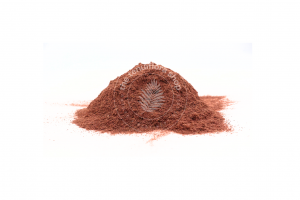
The art of natural dyeing has seen a resurgence in recent years, as artisans and hobbyists alike seek sustainable and eco-friendly alternatives to synthetic dyes. Among the myriad of natural dye sources, Mimosa Hostilis bark stands out for its rich color and versatility. This remarkable bark, sourced from the Mimosa Tenuiflora tree, is renowned for its ability to produce deep, vibrant hues that are not only visually stunning but also environmentally friendly. As more people look to embrace traditional methods with modern benefits, the premium quality of Hostilis bark offers an exceptional option for both seasoned dyers and newcomers to the craft.
Understanding Hostilis Bark
Hostilis bark, often referred to as Jurema Preta, is native to the northeastern regions of Brazil and parts of Mexico. It has a long history of use in various applications, including natural dyeing, due to its high tannin content. This tannin is a natural mordant, which helps bind dye to fabric, resulting in long-lasting color.
Key Benefits of Using Hostilis Bark in Natural Dyeing
- Rich, Deep Colors: Hostilis bark imparts a range of colors, from deep purples to vibrant reds, depending on the mordant and dyeing process used.
- Eco-Friendly: As a natural product, it reduces reliance on chemical dyes, which can be harmful to both the environment and health.
- Versatility: Suitable for a variety of materials, including wool, cotton, and silk.
- Durability: Fabrics dyed with Hostilis bark tend to have excellent wash fastness and light fastness.
For detailed methods on utilizing Hostilis bark for dyeing, one can discover expert strategies here.
The Process of Dyeing with Hostilis Bark
Dyeing with Hostilis bark involves several steps that ensure the fabric absorbs the maximum color and the dye is set for lasting results. Here’s a general overview of the process:
- Preparation: Begin by soaking the fabric in a mordant solution, which can be made from natural ingredients like alum or vinegar, to prepare it for dye absorption.
- Extraction: The bark is usually ground into a powder and then simmered in water to extract the dye.
- Dyeing: Introduce the fabric into the dye bath. The duration can vary based on the desired intensity of color.
- Rinsing and Drying: After dyeing, rinse the fabric in cold water and hang it to dry in the shade to preserve the color.
For more detailed guides on each step, explore advanced guides and tips available online.
Sustainability and Environmental Impact
One of the primary attractions of using natural dyes such as Hostilis bark is their minimal environmental impact. Unlike synthetic dyes, which often involve toxic chemicals and heavy metals, natural dyes are biodegradable and non-polluting. This makes them an ideal choice for eco-conscious individuals and businesses aiming to reduce their carbon footprint.
The sustainable harvesting of Mimosa Hostilis bark also plays a crucial role in its environmental benefits. When collected responsibly, it supports local ecosystems and economies. To learn about our tailored solutions for sustainable dyeing practices, more resources are available online.
Conclusion
The use of premium Hostilis bark for natural dyeing offers numerous benefits, from its vibrant colors and durability to its environmental friendliness. As the interest in sustainable practices continues to grow, natural dyeing with Hostilis bark provides a perfect blend of tradition and modernity. Those interested in exploring this natural dye source can find out more about this approach and incorporate it into their textile projects with confidence.