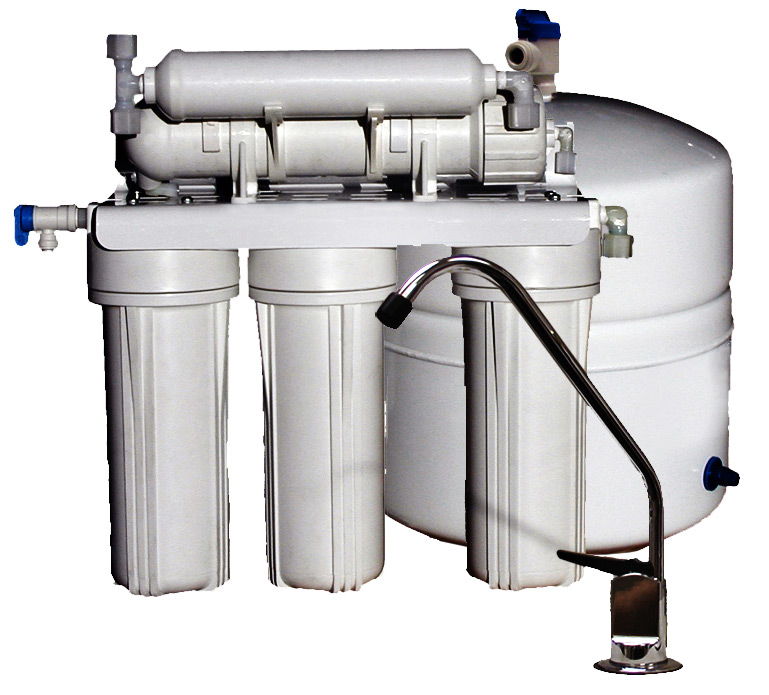
Water is a fundamental element for human survival, and the quality of the water one consumes is vital for health and well-being. As environmental concerns and pollution levels rise, ensuring clean drinking water has become a priority for many households. Reverse osmosis (RO) water systems have emerged as a reliable solution for providing purified water. These systems are designed to remove contaminants and improve water quality significantly. Understanding the benefits of a reverse osmosis water system can guide individuals in making informed decisions about their water purification needs.
Understanding Reverse Osmosis
Reverse osmosis is a water purification technology that utilizes a semipermeable membrane to remove ions, molecules, and larger particles from drinking water. This process effectively reduces contaminants such as:
- Lead
- Fluoride
- Chlorine
- Nitrates
- Arsenic
The technology operates by applying pressure to force water through the membrane, leaving impurities behind. Such systems are renowned for their efficiency and reliability in providing high-quality drinking water.
Key Benefits of Reverse Osmosis Water Systems
Enhanced Water Quality
One of the primary advantages of a reverse osmosis system is its ability to produce clean, safe drinking water by removing harmful contaminants. The removal of impurities like heavy metals and chemicals ensures that the water is not only safe to drink but also tastes better. For those seeking detailed insights into the purification process, discover expert strategies here.
Cost-Effective in the Long Run
While the initial investment in a reverse osmosis system might appear high, it proves to be cost-effective over time. By eliminating the need for bottled water, households can save significantly. Additionally, the maintenance costs of these systems are relatively low, further enhancing their economic appeal. Learn about our tailored solutions for more information on cost savings.
Environmental Benefits
Using a reverse osmosis system contributes to environmental sustainability by reducing reliance on plastic bottled water. With growing concerns over plastic pollution, adopting an RO system is a step towards a greener planet. By minimizing plastic waste, individuals can play a part in conserving the environment. Explore advanced guides and tips on how to incorporate sustainable practices into daily life.
Installation and Maintenance
Installing a reverse osmosis system is straightforward and can be done under the kitchen sink or as a whole-house system. Regular maintenance, such as replacing filters and membranes, ensures optimal performance and longevity of the system. It’s important to adhere to the manufacturer’s guidelines and schedule routine check-ups to maintain water quality. Find out more about this approach to ensure your system runs efficiently.
Conclusion
In the quest for clean and safe drinking water, reverse osmosis systems stand out as a superior choice. They offer multiple benefits, including improved water quality, cost savings, and environmental sustainability. By investing in such systems, households can enjoy the peace of mind that comes with knowing that their water is free from harmful contaminants. For a deeper understanding of reverse osmosis systems and to explore tailored solutions, consider visiting the relevant resources. Embracing this technology not only enhances personal health but also contributes to a healthier planet.