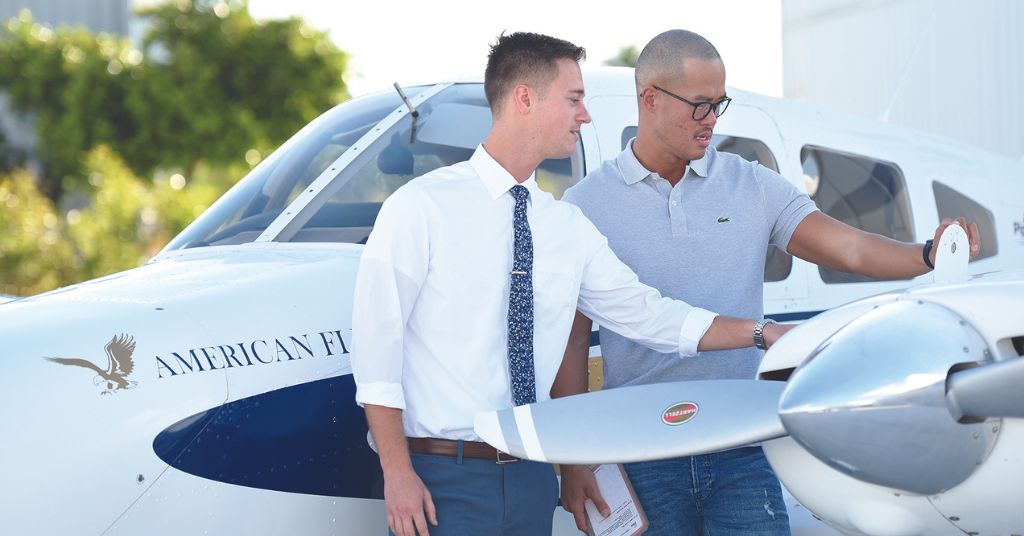
Embarking on the journey to become a private pilot is an exhilarating endeavor that opens up a world of possibilities. Whether driven by a lifelong passion for aviation or the desire for a new challenge, the process of acquiring a private pilot’s license (PPL) is both rewarding and demanding. This guide aims to provide beginners with essential insights and a clear understanding of what the private pilot training entails, ensuring that aspiring aviators are well-prepared to take to the skies.
Understanding Private Pilot Training
Private pilot training is structured to equip students with the fundamental skills and knowledge required to fly an aircraft independently. This foundational training is divided into several key components:
- Ground School Instruction: This phase covers essential theoretical knowledge, including aerodynamics, navigation, meteorology, air traffic control procedures, and regulations.
- Flight Training: Practical flight lessons conducted with a certified flight instructor (CFI) to develop hands-on piloting skills.
- Solo Flight: Upon demonstrating proficiency, students will conduct supervised solo flights to gain confidence and experience.
- Cross-Country Flight Training: This component involves planning and executing flights to other airports, enhancing navigational skills and operational understanding.
- Examinations: The training culminates in a written knowledge test and a practical flight test (checkride) to assess the candidate’s competency.
For more information on the training process, read more about this topic.
Prerequisites for Private Pilot Training
Before beginning private pilot training, certain prerequisites must be met. These include:
- Age Requirement: Candidates must be at least 17 years old to obtain a PPL.
- Medical Certificate: A valid third-class medical certificate issued by an Aviation Medical Examiner (AME) is needed.
- Language Proficiency: Proficiency in English is required, as it is the language of international aviation.
- Basic Education: While no specific educational background is mandated, a good grasp of mathematics and physics can be beneficial.
These requirements ensure that candidates are prepared to handle the demands of flight training. Explore further insights here.
Choosing the Right Flight School
Selecting an appropriate flight school is a critical step in the training process. Consider the following factors:
- Accreditation and Certification: Ensure the flight school is certified by the relevant aviation authority.
- Location and Facilities: The school’s location, weather conditions, and training facilities can impact the training experience.
- Instructor Experience: Evaluate the qualifications and experience of the flight instructors.
- Fleet and Equipment: A well-maintained fleet of training aircraft and up-to-date equipment are essential for effective learning.
- Cost and Financing: Consider the overall cost of training and available financing options.
Finding the right training environment can significantly enhance the learning experience. Find additional information here.
Managing Training Costs
The cost of private pilot training can vary widely depending on several factors, including location, type of aircraft used, and the student’s pace of learning. Here are some tips to manage costs effectively:
- Create a Budget: Outline all potential expenses, including tuition, flight hours, exam fees, and materials.
- Seek Scholarships: Investigate scholarships and grants offered by aviation organizations to offset costs.
- Pay-As-You-Go: Opt for a pay-as-you-go plan to spread out expenses and align payments with completed training stages.
- Maximize Study Time: Efficient ground school preparation can reduce time spent on paid flight instruction.
Managing finances is crucial to maintaining progress and achieving the goal of becoming a private pilot. Learn more in this detailed guide.
Conclusion
Pursuing a private pilot’s license is a fulfilling challenge that demands dedication, commitment, and thorough preparation. By understanding the training process, meeting prerequisites, selecting the right flight school, and managing costs, aspiring pilots can navigate their journey effectively. Armed with this essential guide, beginners are well-positioned to take their first steps towards a rewarding career or hobby in aviation.