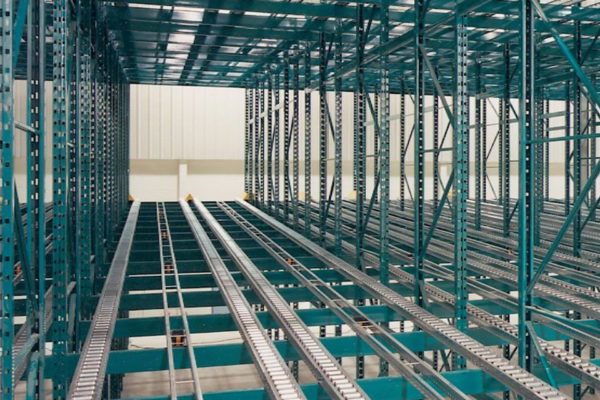
In today?s fast-paced logistics environment, efficiency and optimization are paramount for businesses seeking to maintain a competitive edge. Warehouse operations, in particular, can greatly benefit from innovative storage solutions that maximize space and streamline processes. One such solution is pallet flow racking, a dynamic storage system that enhances operational efficiency and optimizes space utilization. This article explores the benefits and implementation strategies of pallet flow racking in warehouse operations.
Understanding Pallet Flow Racking
Pallet flow racking, also known as gravity flow racks, is designed to store pallets using inclined rails and a system of rollers. This setup allows pallets to move smoothly from the loading point to the picking point, driven by gravity. The system operates on a first-in, first-out (FIFO) basis, ensuring that the oldest inventory is used first, which is particularly beneficial for perishable goods.
Key Features of Pallet Flow Racking
- Efficient use of space by utilizing vertical storage.
- Improved inventory management with FIFO storage.
- Reduction in labor costs due to automated pallet movement.
- Enhanced safety by minimizing forklift travel distance.
For more details on how these systems can be tailored to specific needs, learn about our tailored solutions.
Benefits of Implementing Pallet Flow Racking
Implementing pallet flow racking systems can offer numerous advantages to warehouses looking to improve efficiency and productivity. Here are some of the key benefits:
- Increased Storage Density: Pallet flow racking maximizes storage space through compact, high-density storage solutions.
- Enhanced Product Turnover: The FIFO system ensures efficient inventory turnover, reducing the risk of product obsolescence.
- Reduced Handling Time: By minimizing the need for forklifts to enter storage aisles, handling time is significantly reduced.
- Improved Safety: With reduced forklift movement, the risk of accidents is minimized, enhancing overall warehouse safety.
Explore advanced guides and tips on optimizing your warehouse operations here.
Implementing Pallet Flow Racking: Key Considerations
When considering pallet flow racking systems, several factors need to be assessed to ensure successful implementation and maximum benefit.
Space and Layout Assessment
The first step is evaluating the available space and determining the optimal layout for the racking system. This involves calculating the required storage capacity and understanding the flow of goods within the warehouse.
Load and Pallet Specifications
Consideration must be given to the weight and size of the pallets to be stored. Pallet flow racking systems need to be designed to accommodate varying loads and dimensions effectively.
System Customization
Customization is key to ensuring that the racking system meets specific operational requirements. Tailored solutions can address unique challenges and optimize the racking system’s performance. Discover expert strategies here for system customization.
Conclusion
Pallet flow racking offers a strategic advantage for warehouses seeking enhanced efficiency and productivity. By implementing this system, businesses can optimize their storage capabilities, streamline operations, and improve inventory management. The flexibility and efficiency of pallet flow racking make it a valuable asset in modern warehouse management. For those interested in exploring the full range of benefits and strategies for implementation, find out more about this approach.