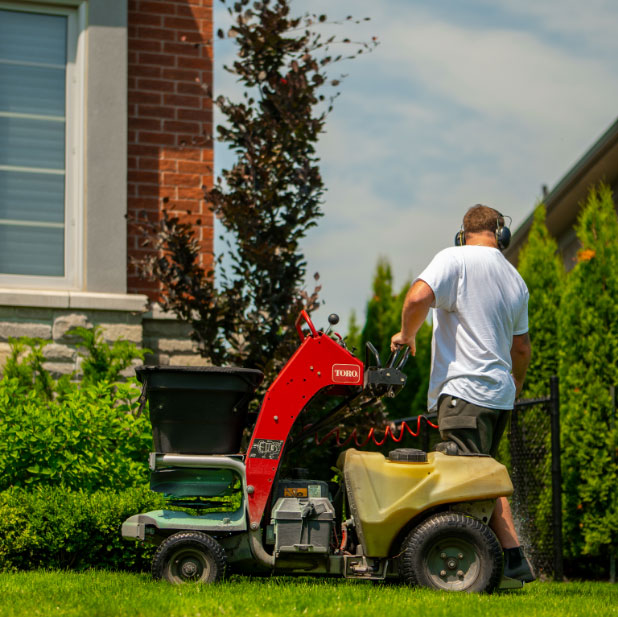
A lush, green lawn is the pride of any homeowner. It serves as a welcoming carpet of nature, enhancing the curb appeal and providing a serene outdoor space for relaxation and recreation. However, achieving and maintaining such a lawn requires more than just regular watering and mowing. One of the essential practices for promoting a healthy and beautiful lawn is aeration. This process involves perforating the soil with small holes to allow air, water, and nutrients to penetrate the grassroots. Expert aeration services can significantly improve your lawn’s health, leading to a more resilient and aesthetically pleasing landscape.
Understanding the Importance of Lawn Aeration
Lawn aeration plays a crucial role in maintaining the vitality of your grass. Over time, soil can become compacted due to regular use, rain, and other environmental factors. Compacted soil restricts the flow of essential elements like oxygen and water, leading to poor grass growth and increased susceptibility to weeds and diseases. Aeration helps alleviate soil compaction, making it easier for grassroots to grow deeper and stronger.
Benefits of Regular Aeration
- Improved soil drainage, reducing the risk of waterlogging.
- Enhanced nutrient absorption for healthier, greener grass.
- Reduced soil compaction, promoting root growth.
- Increased resistance to drought and extreme weather conditions.
- Better seed-to-soil contact when overseeding.
Regular aeration is especially beneficial for lawns that experience heavy foot traffic or are part of newly constructed homes where the topsoil may have been stripped or compacted by heavy machinery. To learn more about the benefits and process of aeration, consider exploring specialized lawn aeration service options.
When to Aerate Your Lawn
Timing is everything when it comes to aeration. The best time to aerate your lawn depends on the type of grass you have and the climate of your region. For cool-season grasses such as Kentucky bluegrass or perennial ryegrass, early spring or fall is ideal. On the other hand, warm-season grasses like Bermuda or zoysia benefit most from aeration in late spring or early summer.
Understanding the appropriate timing ensures that the grass can recover quickly and take full advantage of the improved soil conditions. For expert advice on the optimal timing for your specific lawn type, consult a professional lawn aeration service.
Choosing the Right Aeration Method
There are two primary methods of aeration: core aeration and spike aeration. Core aeration involves removing small plugs of soil from the lawn, which is more effective in dealing with soil compaction. Spike aeration, on the other hand, uses solid tines to punch holes in the ground without removing soil. While spike aeration can be beneficial for a quick fix, it may not address compaction issues as thoroughly as core aeration.
Factors to Consider
- Soil type: Core aeration is preferable for heavy clay soils.
- Lawn condition: Severely compacted or thatch-heavy lawns benefit more from core aeration.
- Equipment availability: Professional services can provide the right tools and expertise for effective aeration.
Opting for a professional lawn aeration service ensures that the correct method is chosen and executed properly, maximizing the benefits for your lawn.
Conclusion
Investing in expert lawn aeration services can dramatically enhance the health and appearance of your lawn. By improving soil structure and allowing essential elements to reach the grassroots, aeration helps create a robust and vibrant lawn that can withstand various challenges. Whether you aim to boost your lawn’s resilience, prepare it for overseeding, or simply enhance its beauty, professional aeration is a vital component of effective lawn care.
To ensure your lawn receives the best care, consider scheduling a consultation with a trusted lawn aeration service provider today.