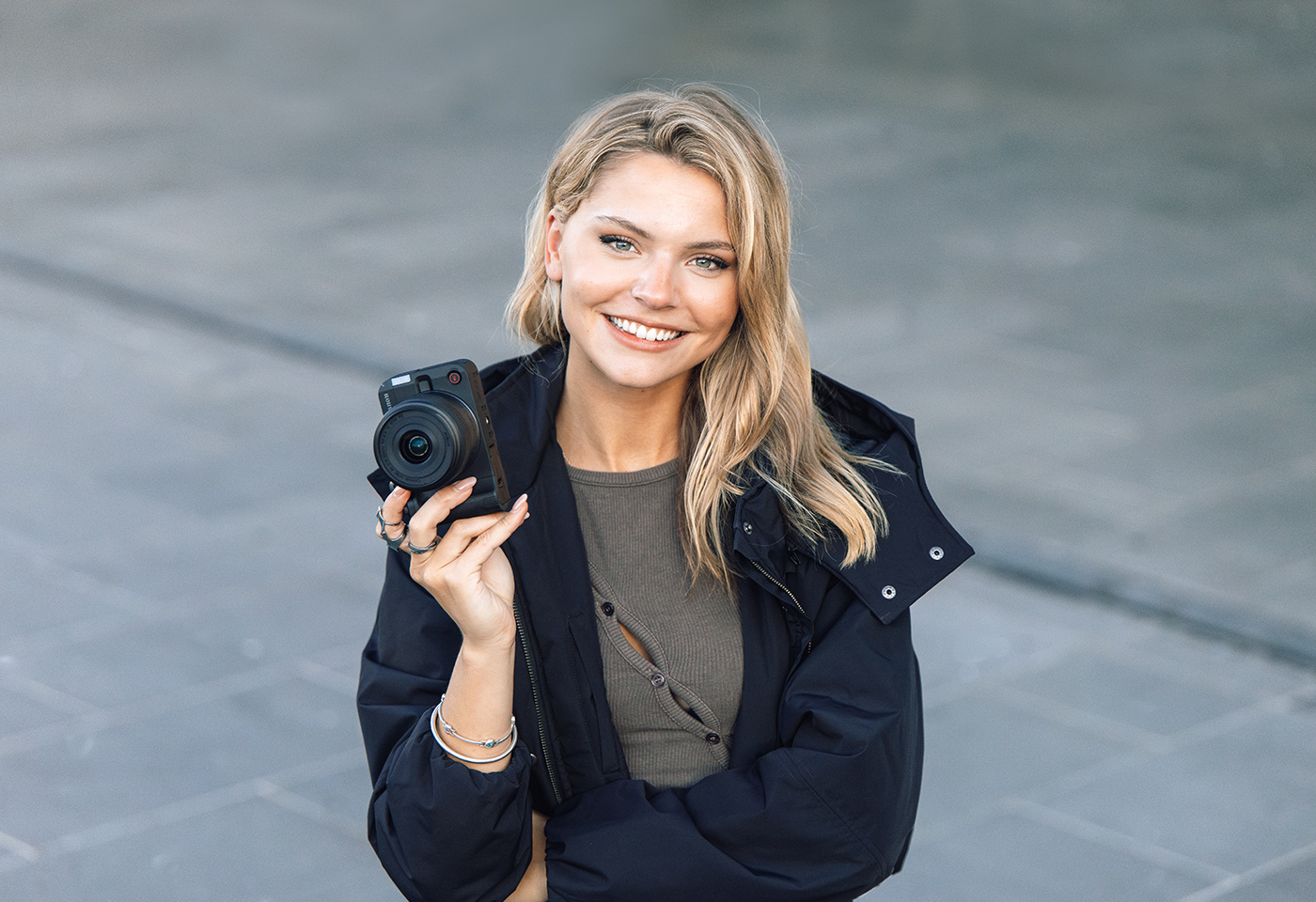
In the dynamic world of photography, capturing beauty is an art form that goes beyond mere aesthetics. It is about capturing the essence, personality, and emotions of the subject. Beauty photography, a specialized niche, demands a keen eye for detail, an understanding of lighting, and the ability to create a vision that transcends the ordinary. Professional beauty photographers harness these skills to create images that are both captivating and timeless, achieving a balance between technical precision and artistic flair.
Understanding Beauty Photography
Beauty photography focuses on highlighting the natural allure of the subject, often used in fashion, advertising, and editorial contexts. This genre is characterized by:
- Emphasis on facial features and expressions.
- Use of makeup and styling to enhance natural beauty.
- Attention to skin tones and textures.
- Creative use of lighting and shadows.
The Role of Lighting
Lighting is crucial in beauty photography. It can define the mood of the image and highlight specific features of the subject. Soft, diffused lighting is typically preferred to create a flattering and gentle effect, whereas dramatic lighting can be used to create intense and bold images. The choice of lighting should align with the intended message and style of the photograph.
Working with Models
Collaboration with models is essential to achieving the desired outcome in beauty photography. Effective communication ensures that the model understands the concept, which in turn helps in expressing the right emotions and poses. A skilled photographer will guide the model while allowing room for their natural personality to shine through.
Makeup and Styling
Makeup and styling are integral components of beauty photography. The role of these elements is to enhance the subject’s features without overshadowing their natural beauty. A cohesive styling that complements the concept of the shoot can elevate the final images. Professional beauty photographers often work closely with makeup artists and stylists to achieve this harmony.
Post-Processing Techniques
Post-processing is a vital phase in beauty photography that involves refining the image to emphasize its strengths. Techniques such as retouching are used to smooth skin textures, adjust colors, and enhance the overall composition. However, it is important to maintain a balance to ensure the final image remains authentic and relatable.
The Importance of Authenticity
While post-processing can significantly enhance a photograph, maintaining authenticity is crucial. Images that appear overly retouched can detract from the natural beauty of the subject. The goal is to achieve a polished yet realistic appearance that resonates with viewers.
Choosing a Professional Beauty Photographer
Selecting the right beauty photographer is essential for capturing the desired vision. It is important to consider factors such as their style, experience, and portfolio. For those seeking expertise in the field, exploring the works of established beauty photographers can provide valuable insight into the quality and style that can be expected.
Conclusion
Beauty photography is an intricate art that requires a blend of technical skill and creative vision. By understanding the nuances of lighting, composition, and collaboration, photographers can create images that not only capture beauty but also tell a compelling story. As the industry continues to evolve, the pursuit of capturing authentic and timeless beauty remains at the heart of professional beauty photography.