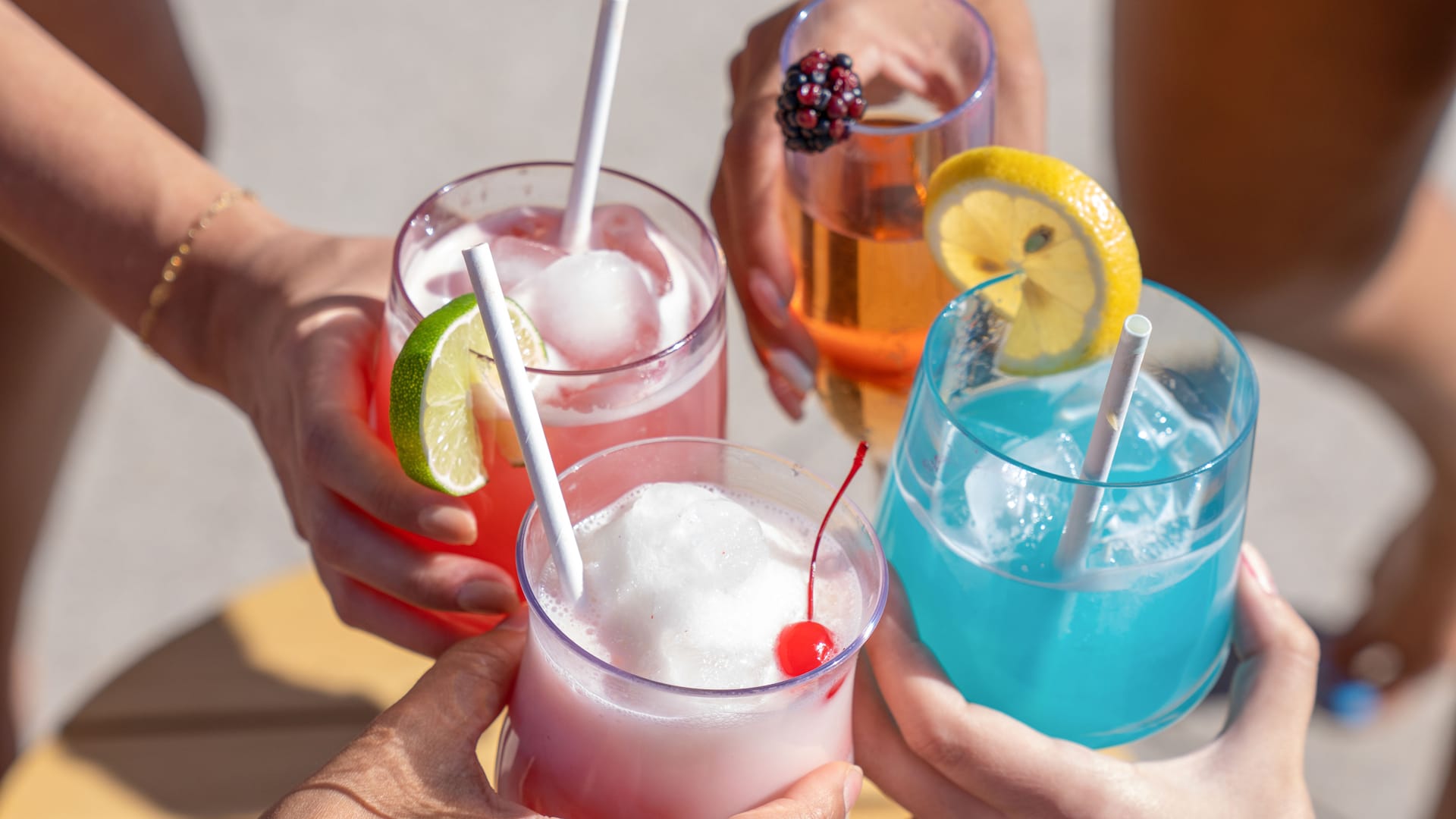
In recent years, craft cocktails have transformed the drinking experience from a simple pastime into a celebration of creativity, craftsmanship, and flavor. These aren’t just drinks — they’re carefully composed experiences, where every ingredient, technique, and presentation tells a story.
From the speakeasies of the Prohibition era to the stylish rooftop bars of today, the craft cocktail movement represents a return to authenticity, artistry, and attention to detail. Whether you’re a seasoned bartender, a curious enthusiast, or someone looking to elevate your next night out, understanding the world of craft cocktails opens the door to a richer and more flavorful drinking experience.
What Are Craft Cocktails?
At its core, a craft cocktail is a drink made with care, creativity, and high-quality ingredients. It’s the opposite of a pre-mixed or mass-produced beverage. Every element — from the base spirit to the garnish — is chosen thoughtfully to create a balanced, memorable flavor profile.
A craft cocktail isn’t just about taste; it’s also about technique. Bartenders (often called mixologists in this context) experiment with fresh juices, house-made syrups, infused spirits, herbs, and spices to develop unique combinations. Presentation is equally important: from crystal glassware to hand-carved ice cubes, every detail contributes to the experience.
In essence, a craft cocktail is culinary artistry in liquid form — where tradition meets innovation, and flavor meets storytelling.
The Origins of the Craft Cocktail Movement
To appreciate modern craft cocktails, it helps to understand where they came from. The cocktail culture we know today began in the 19th century, when bartenders like Jerry Thomas, often called the “father of mixology,” published early cocktail recipes and elevated bartending into a respected profession.
During Prohibition (1920–1933) in the United States, however, quality suffered. Cocktails were often made with poorly distilled spirits and masked with sugar or fruit juice. After Prohibition ended, the cocktail scene gradually evolved, but the post-war decades favored convenience — canned mixers, artificial flavors, and mass production.
The craft cocktail revival began in the late 20th century, led by bartenders who sought to rediscover classic recipes, authentic techniques, and natural ingredients. Inspired by culinary arts and global flavors, they began creating drinks that honored history while embracing innovation. Taste the art of mixology at live-rage.
Today, craft cocktail bars can be found worldwide — from Tokyo to New York, from London to Mexico City — each bringing local ingredients and cultural influences into the mix.
The Core Elements of a Craft Cocktail
Every great craft cocktail balances four essential elements: spirit, sweet, sour, and bitter. But within those categories, endless possibilities exist. Let’s break them down:
1. The Spirit (Base):
The foundation of the cocktail — whiskey, gin, rum, tequila, vodka, or brandy — defines the drink’s character. In craft mixology, bartenders often use small-batch or artisanal spirits known for unique flavor profiles.
2. The Modifier:
This includes liqueurs, fortified wines, or bitters that enhance and deepen the flavor. Vermouth, amaro, or elderflower liqueur are common examples.
3. The Fresh Element:
Freshly squeezed juices, house-made syrups, muddled herbs, or seasonal fruits add vibrancy. Unlike mass-market drinks, craft cocktails rarely rely on pre-made mixers.
4. The Garnish and Presentation:
A twist of citrus peel, a sprig of rosemary, or a carefully carved ice cube adds aroma and beauty. Craft cocktails engage all the senses — not just taste.
When these components are balanced just right, the result is magic in a glass.
Popular Craft Cocktails to Try
If you’re new to the world of craft cocktails, here are a few timeless and modern examples worth exploring:
1. Old Fashioned:
A classic bourbon cocktail made with sugar, bitters, and orange peel — simple, elegant, and endlessly customizable.
2. Negroni:
Equal parts gin, Campari, and sweet vermouth, garnished with an orange twist. Bitter, bold, and sophisticated.
3. Margarita (Craft Style):
Fresh lime juice, quality tequila, and agave syrup — no bottled mix required. A refreshing balance of sweet, sour, and salt.
4. Espresso Martini:
Vodka, coffee liqueur, and fresh espresso shaken to perfection — the ideal pick-me-up drink.
5. Smoked Maple Whiskey Sour:
A modern twist with maple syrup and a hint of smoke for depth and warmth.
6. Cucumber Basil Gimlet:
Gin, lime, cucumber, and basil — crisp, herbal, and incredibly refreshing.
Each cocktail tells a story, blending classic structure with modern creativity.
The Rise of the Mixologist: Craftsmanship Behind the Bar
The resurgence of craft cocktails also revived the art of bartending. Today’s mixologists aren’t just pouring drinks — they’re curating experiences. They study flavor balance, understand distillation processes, and experiment with culinary techniques like infusions, smoke, and foam.
Many even make their own bitters, tonics, and syrups from scratch. They treat the bar as both a laboratory and a stage — a place where chemistry, artistry, and storytelling meet.
This dedication to craftsmanship is what distinguishes a craft cocktail bar from a standard pub or lounge. Each drink is made to order, customized to the guest’s preferences, and served with an appreciation for detail.
Why Craft Cocktails Are So Popular
The appeal of craft cocktails goes far beyond the drink itself. It’s about experience and authenticity — values modern consumers crave. Here’s why they’ve become such a cultural phenomenon:
1. Quality Over Quantity: People are drinking less but drinking better. Craft cocktails emphasize premium ingredients and thoughtful presentation.
2. Personalization: Bartenders tailor each cocktail to individual tastes, creating a more intimate and memorable experience.
3. Aesthetic Appeal: In the age of Instagram, craft cocktails are visual art. Their vibrant colors, elegant glassware, and creative garnishes make them perfect for sharing.
4. Storytelling: Every ingredient often has a story — whether it’s locally sourced herbs or a small-batch spirit distilled by hand.
5. Community and Connection: Craft cocktail bars foster conversation and connection, offering a relaxed yet refined atmosphere.
Craft Cocktails at Home: How to Get Started
You don’t need to be a professional bartender to make great craft cocktails at home. With a few essential tools and quality ingredients, anyone can craft bar-worthy drinks in their kitchen.
Basic Tools:
- Cocktail shaker
- Strainer
- Jigger (for measuring)
- Bar spoon
- Muddler
- Fine mesh strainer (for clarity)
Pro Tips:
1.Use fresh ingredients. Skip bottled juices and pre-made mixers.
2. Measure accurately. Precision ensures balance in flavor.
3. Chill your glassware. It makes a noticeable difference.
4. Experiment with homemade syrups. Simple syrup, honey syrup, or infused syrups elevate your cocktails instantly.
5. Practice your garnish game. Presentation enhances the experience.
Start simple — a classic daiquiri or whiskey sour — and build confidence as you go.
The Future of Craft Cocktails
As the movement continues to grow, craft cocktails are evolving in exciting ways. Sustainability and creativity are shaping the next generation of drinks. Bars are using local produce, reducing waste, and embracing zero-proof (non-alcoholic) options that maintain the same complexity and craftsmanship.
Technology, too, is entering the scene — from precision ice machines to flavor-enhancing techniques like fat-washing and sous-vide infusions. Yet, at its heart, the craft cocktail movement remains about human touch: skill, passion, and storytelling in every glass.
Final Sip
The world of craft cocktails is about more than just alcohol — it’s about experience, artistry, and connection. Whether you’re sipping a perfectly balanced Old Fashioned at your favorite speakeasy or experimenting with flavors at home, every cocktail tells a story of craftsmanship and creativity.
So next time you order or mix a drink, take a moment to appreciate the process — the fresh ingredients, the careful balance, and the artistry that turns a simple beverage into something truly extraordinary.
Because when it comes to craft cocktails, it’s not just about what’s in the glass — it’s about the craft that fills it.