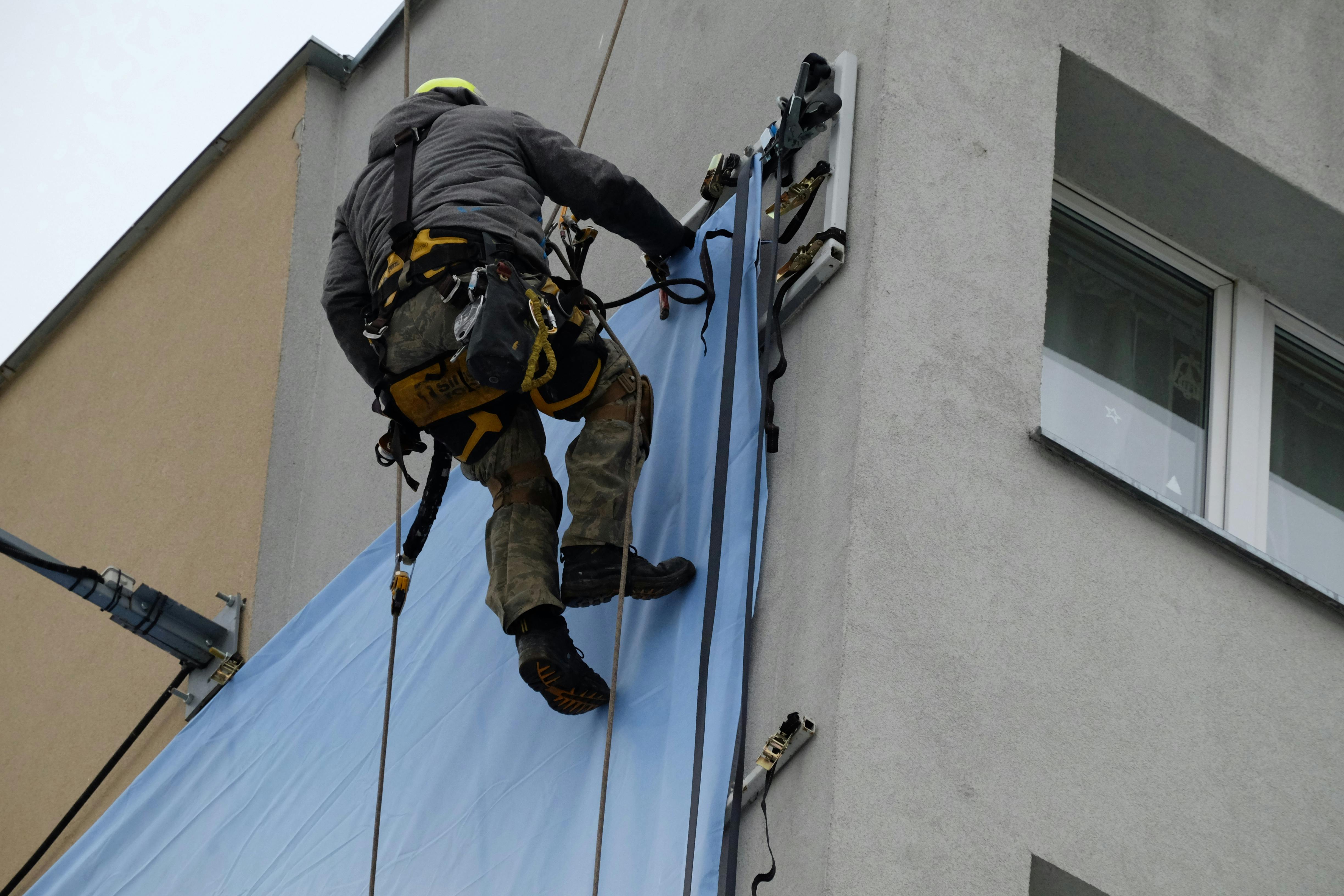
High-rise buildings are a prominent feature in urban landscapes, serving as both commercial hubs and residential spaces. The cladding on these towering structures not only enhances aesthetic appeal but also provides essential protection against weather elements. Effective maintenance of high-rise cladding is crucial to ensure building safety, longevity, and performance. Regular inspections, timely repairs, and professional care are fundamental practices that help in mitigating potential risks associated with cladding deterioration, such as water ingress and structural damage.
Understanding Cladding Materials
Cladding materials vary widely, each with unique maintenance requirements. Common materials include:
- Aluminum: Known for its durability and lightweight characteristics.
- Glass: Offers a modern aesthetic and requires regular cleaning to maintain transparency.
- Stone: Provides a classic look but may require more frequent inspections for cracks.
- Composite panels: Popular for their versatility and range of finishes.
Understanding the specific needs of each material is vital for effective maintenance. Discover expert strategies here.
Regular Inspection and Maintenance
Implementing a rigorous inspection schedule is fundamental to identifying potential issues early. Regular checks should focus on:
- Surface integrity: Look for signs of wear, cracks, or discoloration.
- Joint seals: Ensure they remain watertight and intact.
- Attachment systems: Verify they are secure and free of corrosion.
For comprehensive inspections, professional services are recommended. Learn about our tailored solutions.
Cleaning and Maintenance Techniques
Routine Cleaning
Regular cleaning is essential to prevent the buildup of dirt and pollutants that can damage cladding surfaces. Techniques include:
- Soft washing: Utilizes low-pressure water with cleaning agents for delicate materials.
- High-pressure washing: Effective for robust materials but should be used cautiously.
- Manual cleaning: Necessary for intricate details and hard-to-reach areas.
Employing the appropriate cleaning method based on the cladding material ensures longevity and appearance. Explore advanced guides and tips.
Repair and Restoration
When damage is detected, timely repair and restoration are critical. Common repairs include:
- Replacing damaged panels: To avoid further structural damage.
- Resealing joints: Ensures protection against moisture infiltration.
- Repainting or refinishing: Maintains visual appeal and adds a protective layer.
Professional intervention can ensure repairs are executed to high standards, minimizing future issues. Find out more about this approach.
Safety and Compliance
Adhering to safety and compliance standards is paramount in high-rise maintenance. This includes:
- Using appropriate access equipment: Such as scaffolding or rope access systems.
- Ensuring worker safety: By following occupational health and safety regulations.
- Meeting local building codes: To ensure legal compliance and safety.
A commitment to safety not only protects workers but also ensures the integrity of the building over time. Discover expert strategies here.
Effective high-rise cladding maintenance is an ongoing process that requires a comprehensive understanding of materials, regular inspections, and professional intervention. By prioritizing these elements, the longevity and safety of high-rise structures can be maintained, ultimately preserving their value and functionality.