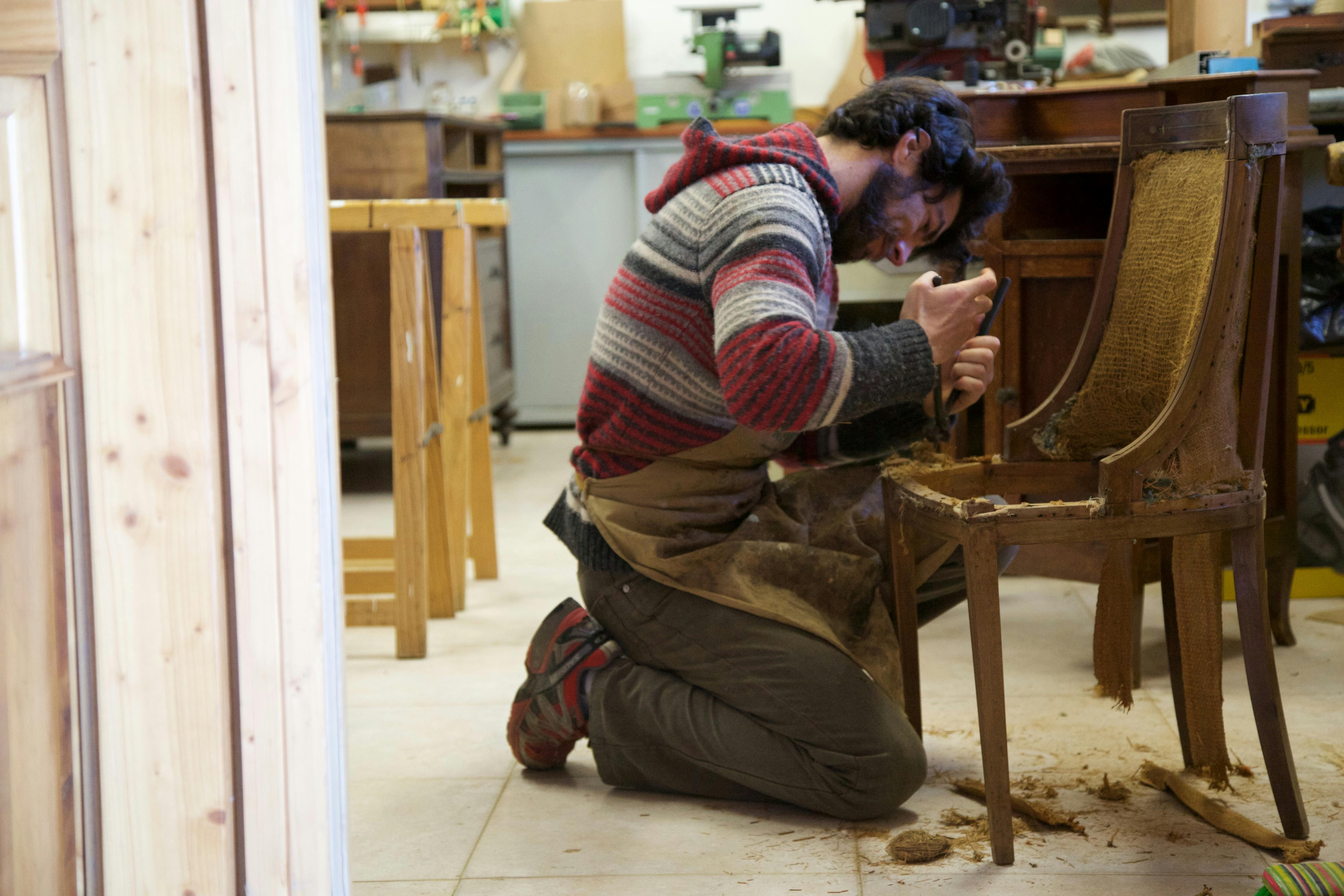
Antique furniture holds a timeless charm and elegance, making it a prized possession for many collectors and enthusiasts. The art of repairing these vintage pieces requires a keen understanding of their historical significance and craftsmanship. Whether it’s a Victorian chair with intricate carvings or a classic walnut table, restoring such pieces to their former glory demands precision and expertise. This article delves into the essential techniques used in antique furniture repair, offering insights for both seasoned artisans and beginners eager to preserve history.
Understanding the Value and History
Before embarking on any repair, it’s crucial to understand the historical value and context of the piece. This knowledge informs the choice of materials and methods, ensuring that the integrity and authenticity of the furniture are maintained.
- Research the furniture’s origin and design period.
- Identify the materials and craftsmanship techniques originally used.
- Consult with historians or appraisers if necessary to gauge the piece’s value.
Discover expert strategies here to enhance your understanding of antique furniture’s historical context.
Essential Tools and Materials
Having the right tools at hand is fundamental to executing precise repairs. Quality tools not only facilitate the repair process but also help in achieving professional results.
- Wood glue and clamps for structural repairs.
- Sandpaper and sanding blocks for surface preparation.
- Specialty tools like chisels and carving knives for detailed work.
- Protective finishes such as shellac or wax for restoration.
Learn about our tailored solutions to find the best tools and materials for antique furniture repair.
Techniques for Repairing Common Issues
Antique furniture often comes with its share of wear and tear. Understanding how to address these common issues can extend the life of these treasured pieces.
Repairing Surface Damage
Scratches, dents, and watermarks are prevalent in antique furniture. Addressing these requires careful consideration to avoid further damage.
- Use a fine-grade sandpaper to gently smooth out scratches.
- Apply a matching stain or finish to blend repairs with the original wood.
- For watermarks, consider using a mild abrasive or a specialized remover.
Explore advanced guides and tips for tackling surface damage effectively.
Structural Repairs
Loose joints and wobbly legs can compromise the stability and appearance of antique furniture. Reinforcing these elements is crucial for both aesthetic and functional restoration.
- Disassemble loose joints carefully and clean old adhesive residues.
- Apply a strong wood glue and clamp the pieces together tightly.
- Reinforce joints with dowels or screws if necessary, ensuring they remain inconspicuous.
Find out more about this approach to structural repairs to achieve lasting results.
Preservation and Maintenance
Once the repairs are complete, ongoing preservation and maintenance are key to ensuring the longevity of antique furniture.
- Keep furniture away from direct sunlight to prevent fading.
- Regularly dust and clean with a soft cloth to maintain the finish.
- Use protective pads under heavy objects to avoid scratches.
For comprehensive care strategies, explore our maintenance tips and solutions.
In conclusion, repairing antique furniture is not just about restoring its physical appearance but also about honoring its history and craftsmanship. By understanding the materials, employing the right techniques, and committing to ongoing maintenance, these cherished pieces can continue to be admired and enjoyed for generations to come.