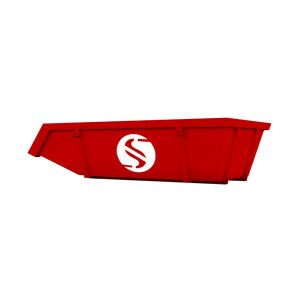
Maintaining a tidy construction site is crucial for both safety and efficiency. The chaotic nature of construction projects often leads to cluttered workspaces, which can pose significant risks and hinder productivity. Choosing the right construction debris bin is a pivotal step in managing waste effectively. A well-organized site not only enhances worker safety but also boosts overall project efficiency, and selecting the appropriate debris bin is an integral part of this process.
Why a Tidy Job Site Matters
An organized construction site offers numerous benefits, including:
- Enhanced Safety: Keeping walkways and work areas clear of debris reduces the risk of trips, falls, and other accidents.
- Improved Efficiency: Workers can perform their tasks more quickly and effectively when they have easy access to tools and materials.
- Reduced Environmental Impact: Proper waste management ensures that recyclable materials are separated and disposed of correctly.
To achieve these benefits, selecting the right debris bin is essential. Discover expert strategies here for choosing the best options for your construction needs.
Types of Construction Debris Bins
The type of debris bin you choose is contingent upon the specifics of your project. Here are some common types:
General Waste Bins
Best for miscellaneous debris that doesn’t require special handling. General waste bins are suitable for a variety of materials, making them versatile options for many projects. Learn about our tailored solutions to determine if this type fits your project needs.
Recycling Bins
These are ideal for separating recyclable materials such as metals, plastics, and wood. By using recycling bins, construction sites can reduce their environmental footprint and comply with local regulations. Explore advanced guides and tips on integrating recycling bins into your waste management strategy.
Hazardous Waste Bins
For projects involving toxic or dangerous materials, hazardous waste bins are a must. They ensure safe disposal and protect workers and the environment from potential harm. Find out more about this approach to safely manage hazardous waste.
Factors to Consider When Choosing a Debris Bin
Choosing the right debris bin involves assessing several key factors:
- Volume of Waste: Estimate the volume of waste generated to select a bin with adequate capacity.
- Type of Waste: Identify the materials that will be disposed of to choose the correct type of bin.
- Site Space Availability: Ensure there is enough space on-site to accommodate the bin without obstructing workflows.
- Frequency of Collection: Consider how often the waste will be collected and choose a bin that aligns with collection schedules.
For more detailed insights into selecting the right bin for your specific needs, discover expert strategies here.
Best Practices for Construction Site Waste Management
Implementing effective waste management practices is crucial for maintaining a tidy site. Consider these tips:
- Regular Training: Educate workers on proper waste disposal and the importance of keeping the site clean.
- Signage: Use clear signage to guide workers on where to dispose of different types of waste.
- Scheduled Clean-ups: Establish a regular schedule for site clean-ups to manage debris efficiently.
- Monitor and Adjust: Continuously monitor waste management practices and adjust as necessary to improve efficiency.
These practices, along with choosing the right debris bin, can significantly enhance the safety and efficiency of construction sites. Learn about our tailored solutions to further optimize your waste management strategy.