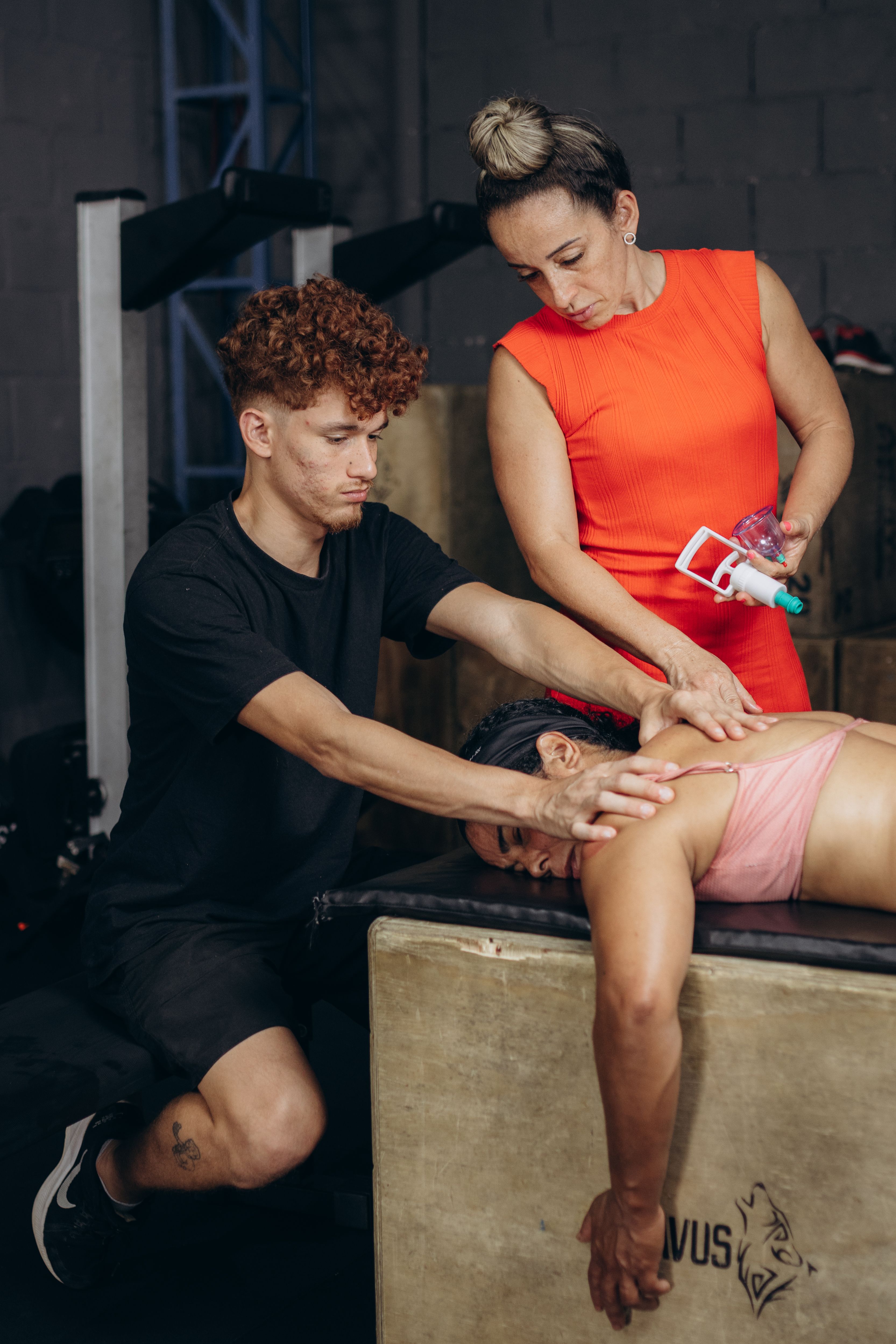
In the pursuit of optimal performance, whether in athletics, daily activities, or rehabilitation, posture correction therapy emerges as a crucial component. The alignment of the body not only affects physical health but also influences mental well-being and efficiency in movement. As individuals increasingly become aware of the significance of posture, the demand for effective strategies and therapies to maintain and improve posture has grown substantially. The techniques involved in posture correction therapy are designed to enhance bodily alignment, reduce discomfort, and potentially boost overall performance in various activities.
The Importance of Proper Posture
Proper posture is fundamental to maintaining a healthy musculoskeletal system. It involves the correct alignment of body parts supported by adequate muscle tension against gravity. When posture is correct:
- The body functions more efficiently with less strain and fatigue.
- There is a reduction in the risk of musculoskeletal injuries.
- Breathing and circulation are enhanced, leading to better oxygen distribution.
- It contributes to improved mental health, impacting mood and stress levels positively.
For detailed insights into the role of posture in health and performance, read more about this topic.
Common Postural Issues
Several postural issues can arise from habits, environmental factors, or anatomical deviations. Some of the most common issues include:
- Forward Head Posture: Often caused by prolonged use of digital devices.
- Rounded Shoulders: A result of slouching or poor sitting habits.
- Anterior Pelvic Tilt: Commonly due to prolonged sitting and weak core muscles.
- Swayback: Characterized by hips that lie in front of the body’s center of gravity.
Addressing these issues requires targeted interventions. Explore further insights here.
Benefits of Posture Correction Therapy
Enhanced Physical Performance
Proper posture enables athletes and active individuals to move more efficiently. By optimizing alignment, muscles can perform their roles without unnecessary strain, thereby enhancing endurance and strength.
Improved Comfort and Pain Relief
Chronic pain, especially in the neck, back, and shoulders, can often be traced back to poor posture. Posture correction therapy reduces this discomfort by realigning the body, thus alleviating stress on muscles and joints.
Boosted Confidence and Appearance
Standing and sitting tall not only improves physical health but also enhances confidence. An aligned posture projects an image of strength and well-being, which can positively affect interpersonal interactions.
For more benefits that posture correction therapy offers, find additional information here.
Strategies for Effective Posture Correction
Posture correction therapy involves multiple strategies tailored to the individual’s specific needs. These include:
- Exercise Regimens: Strengthening core and back muscles to support proper alignment.
- Ergonomic Adjustments: Modifying workspaces and daily environments to promote natural posture.
- Physiotherapy Techniques: Hands-on methods that adjust and guide the body into correct positions.
- Mindfulness and Awareness: Encouraging individuals to be conscious of their posture throughout the day.
To delve deeper into these strategies, learn more in this detailed guide.
Conclusion
Maximizing performance through posture correction therapy requires a comprehensive approach that considers individual needs and lifestyle factors. By focusing on proper alignment and body mechanics, individuals can not only enhance their physical capabilities but also improve their overall quality of life. As awareness and understanding of posture correction therapy continue to grow, more people are likely to benefit from its positive impact on health and performance.