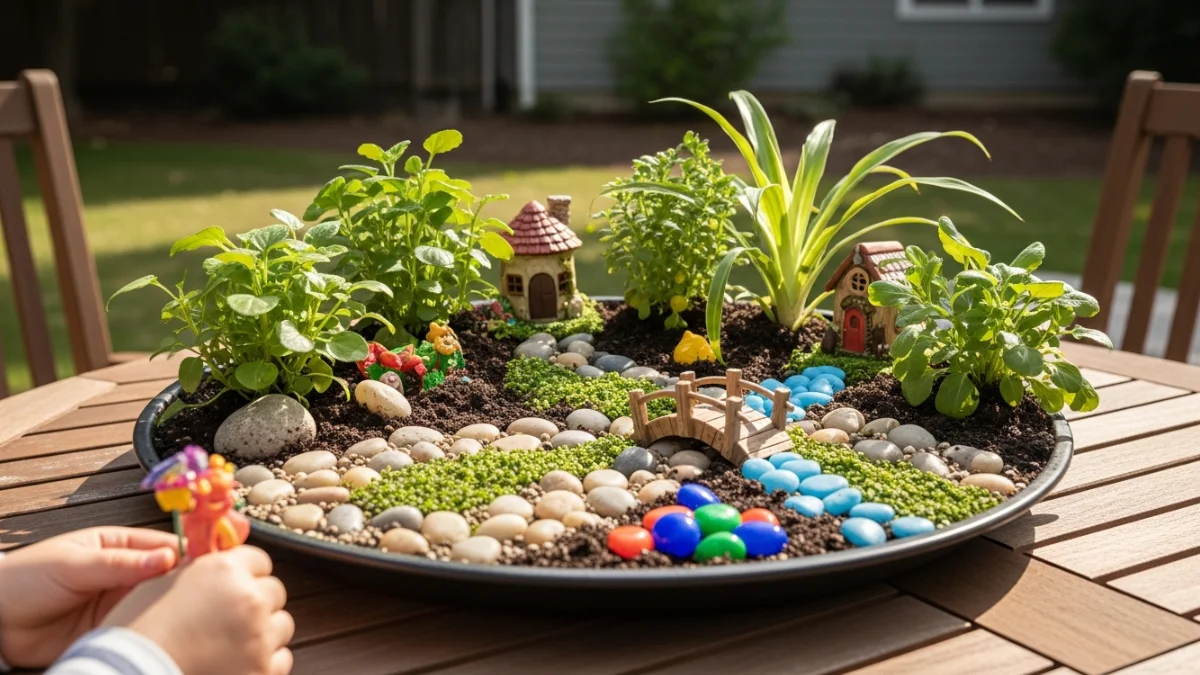
With spring just around the corner, it’s time to rejuvenate your garden and prepare for the blossoming season. Spring is a time of renewal and growth, and with the right tips and strategies, you can transform your garden into a vibrant and thriving space. Whether you’re a novice gardener or a seasoned pro, understanding the essentials of spring gardening can make all the difference. From soil preparation to plant selection, each step is crucial in ensuring a bountiful garden. This article explores key gardening tips to help you make the most of the spring season.
Soil Preparation and Testing
Before planting anything, it’s important to begin with a solid foundation?your soil. Proper soil preparation is critical for healthy plant growth.
- Test your soil’s pH levels and nutrient content. Use a soil test kit to determine what amendments are needed.
- Incorporate organic matter such as compost or well-rotted manure to improve soil structure and fertility.
- Aerate compacted soil by tilling or using a garden fork to enhance root growth and water penetration.
For more in-depth information on soil preparation, discover expert strategies here.
Selecting the Right Plants
Choosing the appropriate plants for your garden is essential to ensure they thrive in your specific climate and soil conditions.
- Consider native plants that are adapted to the local environment and require less maintenance.
- Mix a variety of annuals and perennials to ensure continuous blooms throughout the season.
- Research plant hardiness zones to select species that will flourish in your area.
To learn about tailored solutions for plant selection, find out more about this approach.
Watering Techniques
Proper watering practices are vital for plant health, especially during the transition from winter to spring.
Effective Watering Tips:
- Water early in the morning to reduce evaporation and allow plants to absorb moisture before the heat of the day.
- Use a soaker hose or drip irrigation system to deliver water directly to the root zone.
- Mulch around plants to retain moisture and suppress weeds, which can compete for water.
Explore advanced guides and tips on water management here.
Pest and Disease Management
Spring brings new growth, but it can also bring pests and diseases that threaten your garden.
- Regularly inspect plants for signs of pests or disease, such as discolored leaves or unusual growth patterns.
- Implement integrated pest management (IPM) strategies to minimize chemical use and promote a healthy ecosystem.
- Encourage beneficial insects, like ladybugs and lacewings, to naturally control pest populations.
For more insights on managing pests organically, learn about our tailored solutions.
Pruning and Maintenance
Keeping your garden tidy and well-pruned is essential for plant health and aesthetics.
- Prune dead or damaged branches to encourage new growth and maintain plant shape.
- Remove spent blooms to promote more flowers and prevent plants from going to seed prematurely.
- Regularly weed your garden to reduce competition for nutrients and water.
Find out more about effective pruning techniques here.
Spring is the perfect time to get your hands dirty and breathe new life into your garden. By following these essential tips, you can create a stunning outdoor space that will flourish throughout the season. Remember, successful gardening requires patience, attention to detail, and a willingness to learn and adapt. Embrace the journey and enjoy the rewards of a thriving garden.