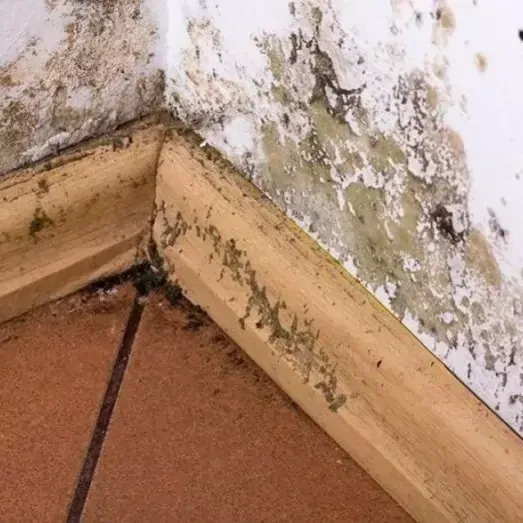
Mold remediation services are crucial for maintaining a healthy and safe living environment. Mold, a type of fungus, can grow in damp, humid areas and release spores that may lead to health issues such as allergies, respiratory problems, and infections. Professional mold remediation services specialize in identifying, removing, and preventing mold growth in both residential and commercial properties. Understanding these services and knowing what to expect can help in choosing the right service provider to effectively tackle mold problems.
Understanding Mold Remediation
Mold remediation refers to the process of removing mold and restoring affected areas to a safe condition. Unlike basic mold removal, which only addresses visible mold, remediation involves a comprehensive approach:
- Inspection and Assessment: Professionals conduct thorough inspections to locate mold infestations and assess the extent of the damage.
- Containment: Preventing the spread of mold is crucial. Containment involves isolating affected areas using physical barriers and negative air chambers.
- Filtration: Advanced filtration techniques are used to capture microscopic mold spores from the air.
- Removal: Depending on the severity, removal of mold-infested materials may be necessary, followed by cleaning and sanitizing remaining surfaces.
- Restoration: This phase involves repairing or replacing damaged structures to return the property to its pre-mold condition.
For a more comprehensive understanding of mold remediation processes, read more about this topic.
Signs That You Need Mold Remediation Services
Visible Mold Growth
Visible mold is an obvious sign that remediation is necessary. Mold can appear in various colors, including black, white, green, and orange. If mold is visible on walls, ceilings, or floors, professional intervention is recommended.
Musty Odor
A persistent musty smell often indicates hidden mold growth. This odor is typically more noticeable in damp areas such as basements, bathrooms, or kitchens.
Health Symptoms
Exposure to mold can lead to symptoms such as sneezing, coughing, skin irritation, and respiratory issues. If these symptoms subside when away from the property, mold could be the cause.
Learn more in this detailed guide on identifying the signs of mold in your home or business.
Choosing the Right Mold Remediation Service
With numerous options available, selecting the right mold remediation service can be challenging. Consider the following factors:
- Experience: Look for services with a proven track record in mold remediation.
- Certifications: Ensure the service provider holds relevant certifications and adheres to industry standards.
- Insurance: Verify that the company is insured to protect against potential liabilities.
- References: Seek testimonials or references from previous clients to gauge service quality.
Explore further insights here on choosing a reliable mold remediation service.
Prevention Tips to Avoid Mold Growth
Preventing mold is more cost-effective than remediation. Here are some tips to help prevent mold growth:
- Control Humidity: Use dehumidifiers and air conditioners to keep indoor humidity levels below 60%.
- Ensure Proper Ventilation: Ventilate areas prone to moisture, such as bathrooms and kitchens.
- Fix Leaks: Repair plumbing leaks promptly to prevent moisture accumulation.
- Use Mold-Resistant Products: Consider mold-resistant drywall and paints in areas susceptible to moisture.
Find additional information here on preventing mold in your property.